
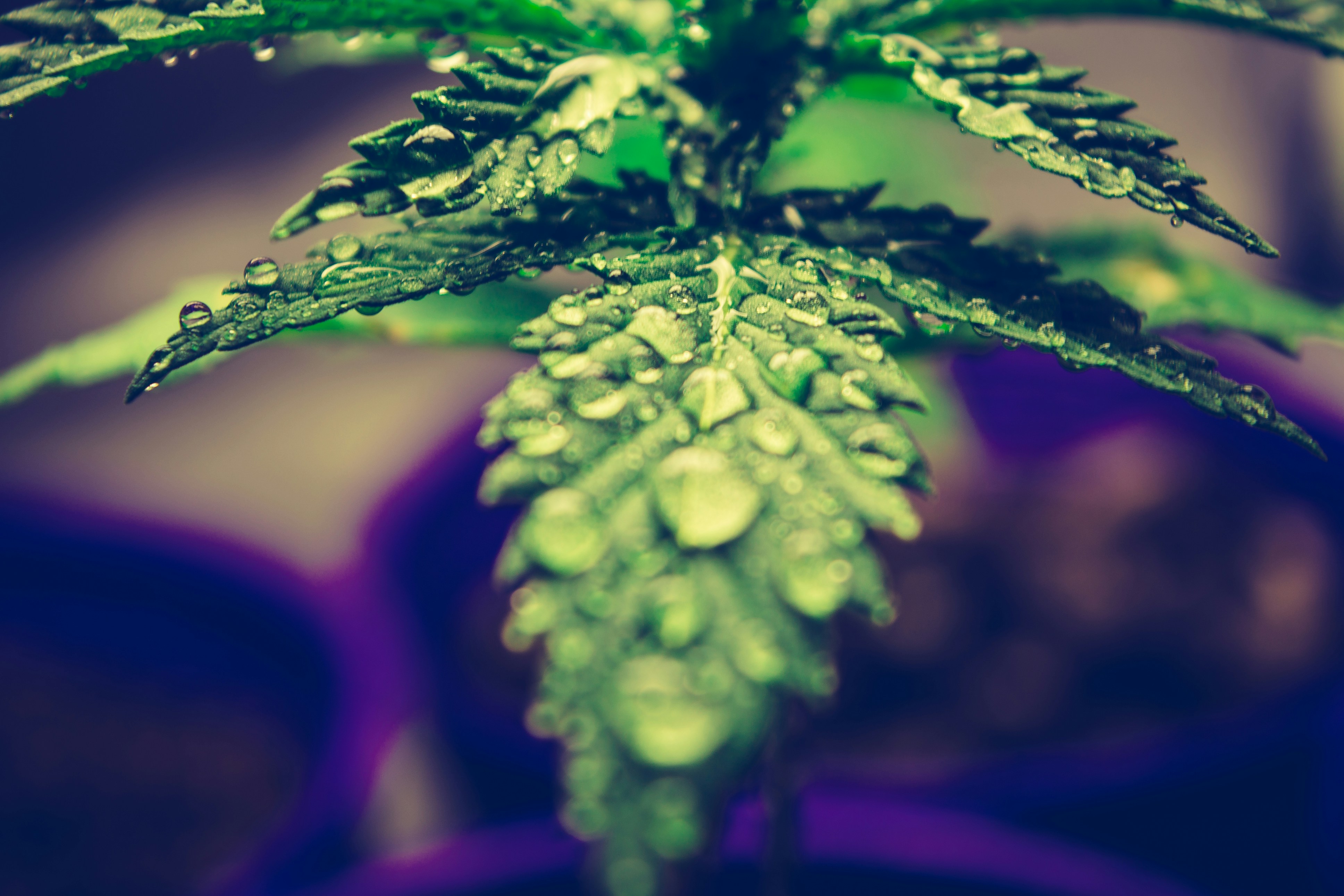
Most people size up cannabis with their eyes first.
The color of the flower, how the buds are shaped, even the packaging. It all makes a first impression. But one of the biggest things affecting quality is something you can't really see: humidity.
Moisture quietly changes how flower feels, how it smells, and how it ages, and most people don't clock it until it's already happened.
Too Dry Changes More Than Texture
When flower dries out too much, you can usually tell the second you touch it. The buds get brittle and crumbly, and the smell goes flat.
That's because the delicate compounds in the plant break down or evaporate when it's stored badly. It isn't just dryness. The whole character of the flower shifts.
Too Much Moisture Creates Different Problems
Too much humidity is its own problem. When the moisture balance is off, it can mess with how the flower keeps and how well it holds up over time.
That's why the good storage setups pay close attention to keeping things steady, from packaging all the way to the shelf.
The Science Behind Aroma Loss
A lot of what makes cannabis smell the way it does comes from terpenes, the aromatic compounds the plant makes naturally. They're sensitive to their surroundings: air, light, and swings in humidity all get to them.
Research like this analysis of terpene stability in plant compounds gets into how conditions around the flower affect whether that aroma sticks around.
Why Storage Conversations Matter
As cannabis products get more consistent, storage comes up a lot more than it used to. Humidity control gets talked about right alongside packaging, shelf life, and keeping quality up over the long haul.
For a wider look at how conditions affect flower after it's packaged, check out our guide on how to store cannabis properly.
The Details People Rarely Think About
The funny thing about humidity is that most people never think about it until something feels off. But behind the scenes, moisture is one of the quiet things shaping how flower changes from harvest to storage to shelf.
Sometimes the smallest details end up mattering the most.