
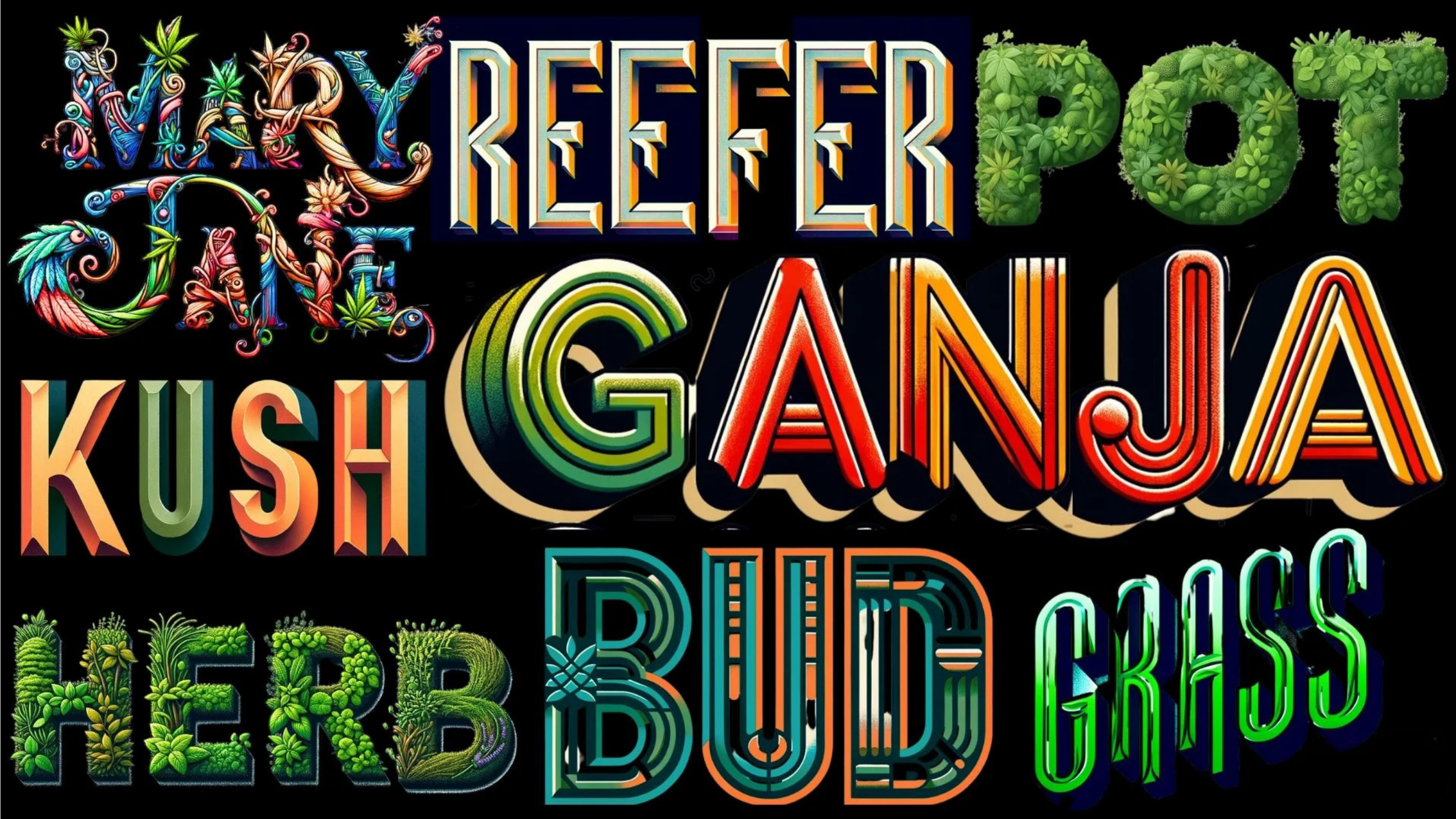
The way people talk about weed says a lot about where the culture is at. Over the years the words have changed right along with the laws, who had access, and how the public saw it.
Early Slang and Counterculture Terms
Back in the mid-1900s, cannabis mostly lived underground, so people leaned on slang to talk about it without drawing attention. A lot of those code words doubled as a way to signal who was part of the scene.
The Shift Toward Industry Language
Once legalization spread, the vocabulary started sounding more like any other regulated business. Words like "flower," "concentrates," and "cannabinoids" took the place of a lot of the old slang. That made it easier for growers, shops, and customers to actually be on the same page.
Why Terminology Continues to Change
The words keep changing as we learn more. The more research comes out about the plant and its compounds, the more specific the language gets. Terms like terpenes and cannabinoids used to be niche, and now they come up in everyday conversation. Resources like this overview of cannabinoids help keep those definitions consistent.
Modern Cannabis Communication
These days the language sits somewhere between its cultural roots and plain professional clarity. Words that used to stay inside small communities are part of bigger conversations now, and newer terms do a better job of describing what's actually in a product.
Why This Evolution Matters
How people talk about cannabis mirrors how the wider world sees it. Moving away from coded slang toward clear, shared terms reflects a shift from secrecy toward being open about it. If you want to see how we talk about quality today, check out our article on what defines cannabis freshness beyond the THC number .
As the culture and the industry keep growing, the words we use for cannabis will keep right on changing too.