
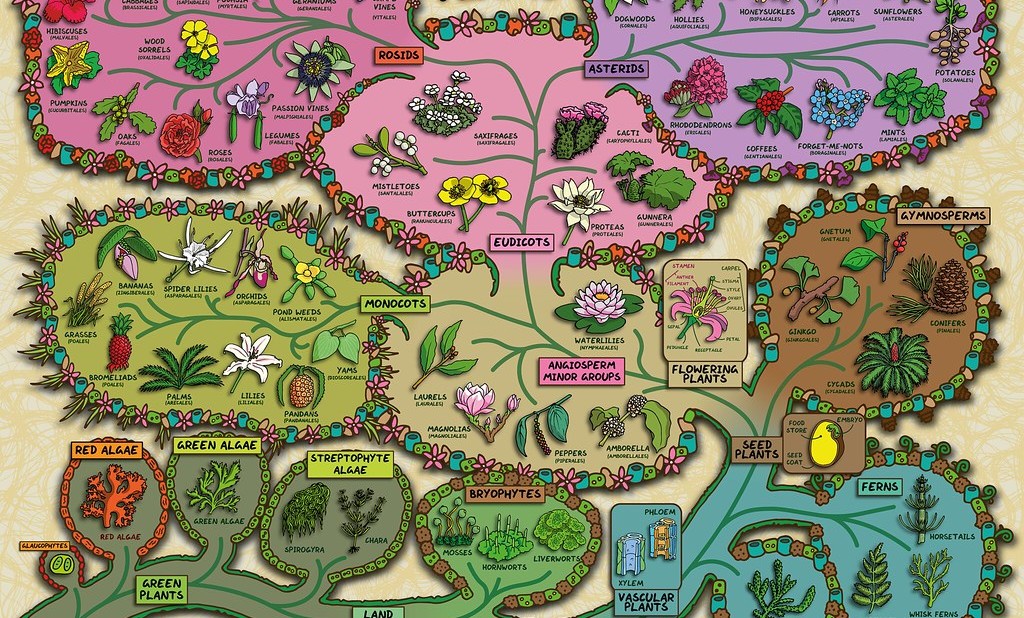
We usually tell human history through kings, inventions, and wars. But there is another force that has shaped civilizations for thousands of years: plants.
Long before modern tech connected the world, certain crops shaped trade routes, economies, exploration, and daily life. Wheat helped start some of the earliest farming societies. Tea worked its way into cultural traditions across continents. Coffee changed both social life and global commerce.
Cannabis is one of those plants, and it still gets people curious today.
The Plants That Built Civilizations
It is hard to picture modern society without the plants that helped it grow.
Wheat made permanent settlements and farming communities possible. Cotton reshaped textiles and international trade. Tea and coffee became commodities that shaped daily rituals and global markets.
These plants were never just crops. They became part of how societies organized, traded, and built their identities.
Cannabis Has Been Around for Thousands of Years
The historical record suggests people have grown and used cannabis for thousands of years. Different cultures worked with the plant in different ways, depending on geography, resources, and local traditions.
Ancient societies used cannabis fibers for rope, textiles, and everyday materials. Some records also note its place in traditional medicine and cultural practices.
Because it could do so many things, it filled a lot of different roles across regions and eras.
Trade Routes Spread More Than Goods
One interesting thing about history is that trade routes moved ideas as much as they moved products.
As merchants traveled, crops and farming know-how went with them. Plants from one part of the world slowly showed up in completely different places.
Cannabis was one of many plants that moved through those networks, becoming part of larger agricultural and cultural exchanges.
The Hemp Connection
Any conversation about cannabis in history has to include hemp.
For centuries, hemp fiber was used for rope, textiles, paper, and other materials people counted on for durability. Before synthetics existed, strong natural fiber was a big deal for transportation and manufacturing.
In a lot of the world, hemp meant practicality long before the modern cannabis conversation ever started.
How Perceptions Change Over Time
What makes cannabis especially interesting is that its role has never stayed fixed.
Some crops kept pretty steady purposes throughout history. Cannabis did not. It has held different cultural positions depending on the era and place. Its story shows how societies keep reinterpreting familiar plants as the economics, social attitudes, and rules change.
Research on historical cannabis use and cultural development, like this overview of cannabis in historical and cultural contexts, gets into how complicated that relationship has been.
Looking at Cannabis Through a Wider Lens
Seeing cannabis as part of the broader history of agriculture gives you a different view. Instead of standing off on its own, it becomes part of a bigger story it shares with a lot of other important plants.
For another look at how cannabis keeps changing in modern life, check out our article on how cannabis shelf life works over time.
A Plant, A Story, and Thousands of Years
History is full of plants that changed how people lived, traveled, traded, and built communities.
Cannabis is one chapter in that much larger story.
And maybe that is what makes it so interesting. Not just what it is today, but the fact that it has stayed tied to human life for thousands of years, adapting right alongside the cultures that ran into it.