
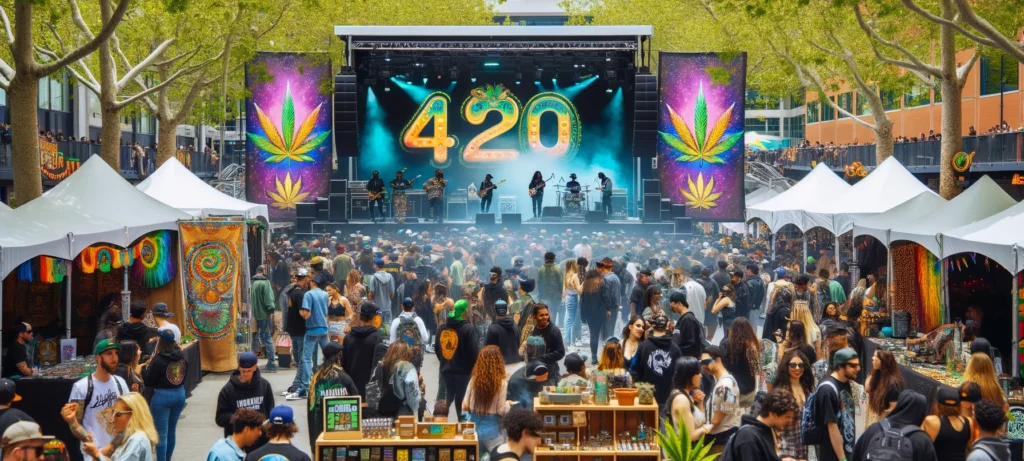
Every April 20th, "4/20" turns up all over the place, in conversations, events, and just about anything tied to cannabis. It's everywhere now, but the origin is oddly specific, and a lot more down to earth than people expect.
Where 4/20 Actually Began
The version most people trace it back to starts in the early 1970s in California. A group of high school students, known as "The Waldos," used "4:20" as a code to meet up after school. The plan was simple: get together at 4:20 PM and go looking for a rumored abandoned cannabis crop nearby.
They never found the crop, but the code stuck around. "4:20" became their shorthand for anything cannabis-related, and it slowly spread through their circles and picked up steam.
How the Code Spread Beyond a Small Group
The phrase could have stayed a local thing if it hadn't connected to bigger cultural networks. Through friends and overlapping communities, the term worked its way past the original group and into wider cannabis circles.
By the 1990s, magazines and other media started mentioning "4/20," which helped lock it in as a term people recognized. Over time, April 20th got tied to informal get-togethers and a shared sense of cannabis culture.
From Code to Cultural Marker
What started as a private code turned into something a lot of people recognize. These days 4/20 stands for more than a time or a date. It reflects a shift in how cannabis gets talked about, shared, and understood.
In plenty of places it's gone from casual meetups to organized events and open conversation, which tracks with how attitudes toward cannabis have changed.
Why 4/20 Still Matters Today
Even as cannabis gets more regulated and buttoned-up, 4/20 still carries weight. It links the past and the present, standing for both the roots and how the culture keeps growing.
Research into cannabis culture and social trends, like this study on cannabis use and social behavior, points to how shared symbols help build a sense of community over time.
Understanding the Broader Context
4/20 gets tied to celebration, but it also shows how language, community, and shared experiences shape identity. If you're curious about how cannabis itself changes as it ages, check out our guide on how cannabis shelf life works over time.
From an after-school code to a symbol people know worldwide, 4/20 is a good example of how a small idea can grow into something that sticks.